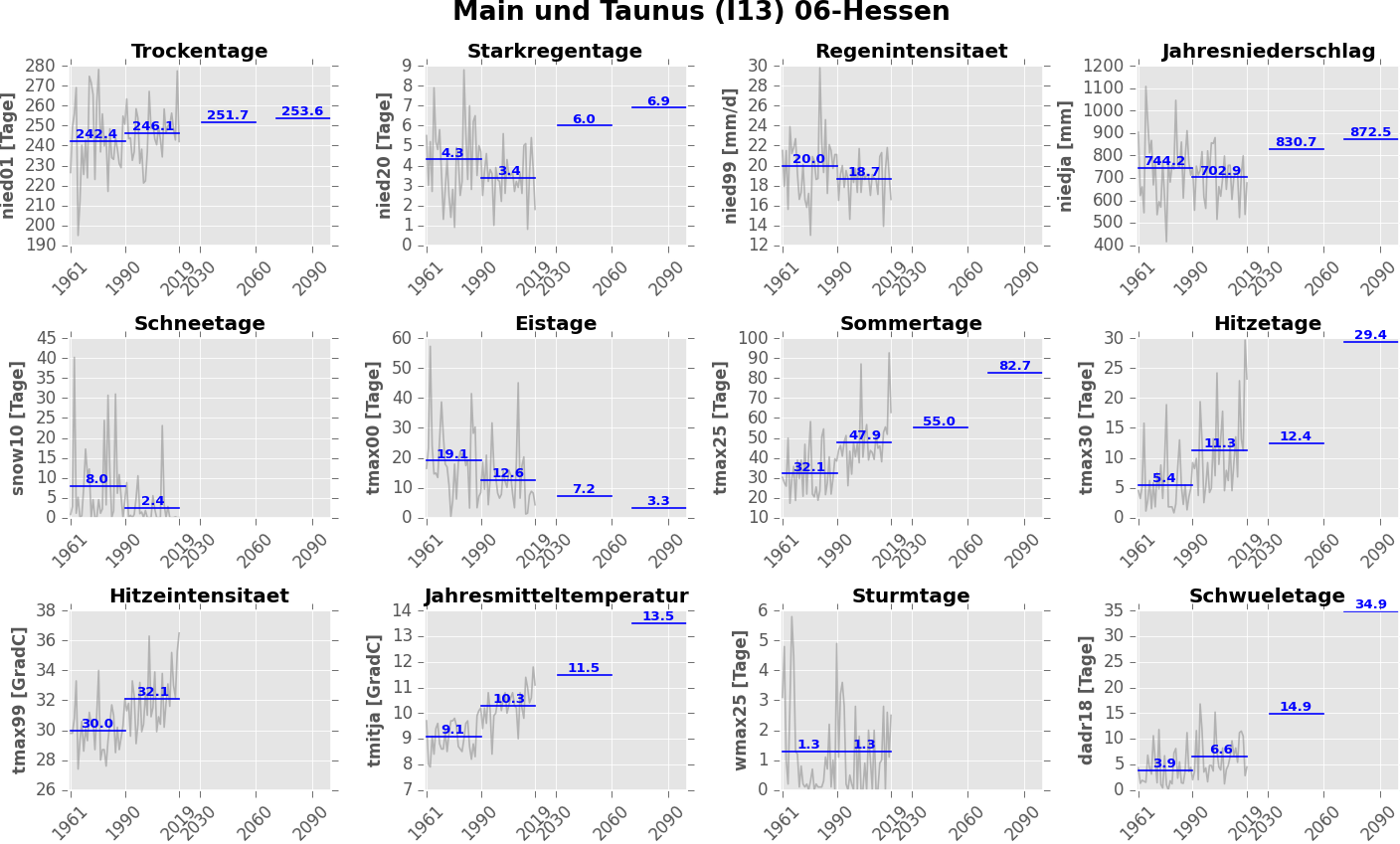
“My name is Günter Busch. I have been a forester since 1984 in the approximately 1,200-hectare municipal forest of Bad Homburg v. d. Höhe. In forestry, we always plan for at least one tree generation, meaning time spans of 80 to 300 years. That is how long it takes for a tree to grow from a seed to harvest. Climate change in recent decades, including storms and especially the severe drought of 2018–2020, has rendered all previous planning for regeneration, growth, and yield obsolete.”
– Günter Busch, municipal forester (2020)
In an average forest in Hesse, there are about 320 m³ of timber per hectare. One cubic meter (solid cubic meter) of beech wood binds about 1.25 tons of CO₂, meaning that one hectare of beech forest binds about 400 tons of CO₂. A 50- to 80-year-old beech tree binds approximately 10 kg of CO₂ per year through its growth.
SCIENTIFIC BACKGROUND
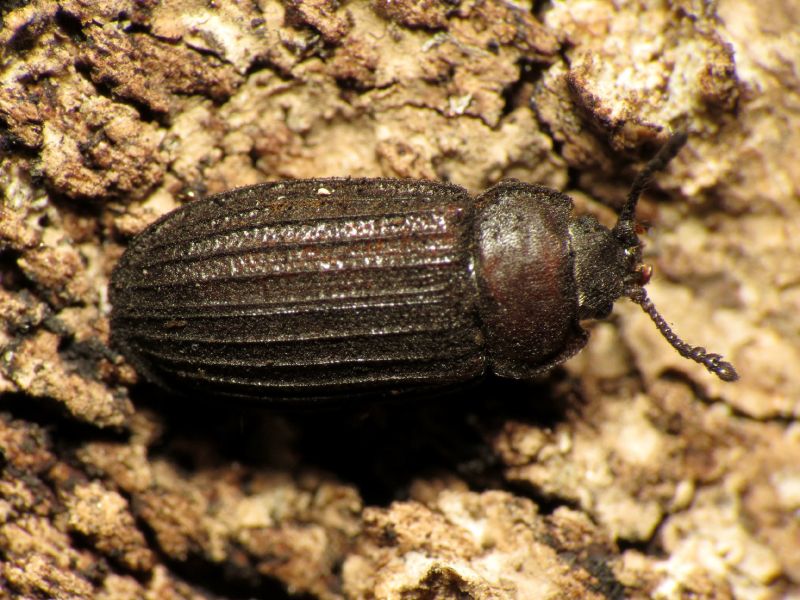
Climate change has already reached the Taunus region as well: due to increasing drought, especially between 2018 and 2020, the forest trees in the Taunus are being weakened. For example, spruce trees produce less resin. Entire spruce stands can therefore become infested by bark beetles. The infested trees must be felled before they die and removed from the forest as quickly as possible or debarked so that the bark beetles do not multiply further. This initially creates large clear-cut areas.Meanwhile, all tree species are affected by damaging pests and diseases due to climate change. Maple, beech, oak, and pine are also suffering from diseases or storms, although currently not to the same extent as spruce.
ADAPATATION TO CLIMATE CHANGE
Forests must be preserved in the long term in a climate-resilient way. However, large-scale reforestation is no longer proportionate, because due to summer drought, newly planted seedlings often dry out already in the first year after planting. Therefore, municipal forester Busch relies on natural regeneration of local tree species.However, natural regeneration is threatened by browsing from wild animals, as there is too much game in the forest; increased hunting is required. Fencing the large former spruce areas would be disproportionate and a major intervention in nature.Forester Busch has also experimentally planted a small stand of sweet chestnut trees ten years ago as a potentially more resilient species for the municipal forest. Whether this approach and natural regeneration will lead to successful forest development can only be assessed in many years.